
Login Another User Linux
Login Another User Linux - Or (to answer the question) you can use the su command (aka. Instead of directly hopping on the commands and processes to create linux users, it’s important to understand how linux handles users and groups. This article explains how to switch users in linux, detailing methods like the `su` and `sudo` commands, as well as graphical user interface options. If no user is specified, or if password authentication of the user fails, login will prompt for a username. In its simplest form, you can change to another user in this way: To run a command as another user with the environment of another user: It stores user information in a hierarchical structure. A few things you should know here: Provided that you know the password to another account and that the account permits user logins, you can switch users in linux with the su command, commonly referred to as the. Beware of the security implications this might have. If no user is specified, or if password authentication of the user fails, login will prompt for a username. To switch to another user’s shell: One of the most common methods to change users in linux is by using the “” command. Share this post with the world! Login does exactly what the name says, it logs a user in and sets up the environment, but the login command is not intended for switching to another user account on. In its simplest form, you can change to another user in this way: How to run commands as. Provided you have enough permissions yourself. Here is a breakdown of how ldap works for centralized user authentication in linux environments: Beware of the security implications this might have. In its simplest form, you can change to another user in this way: Or (to answer the question) you can use the su command (aka. A few things you should know here: Provided that you know the password to another account and that the account permits user logins, you can switch users in linux with the su command, commonly referred. To run a command as another user with the environment of another user: Share this post with the world! If no user is specified, or if password authentication of the user fails, login will prompt for a username. Using the command su [username] allows you to run a command in the context of that user, from the current location. This. To switch the terminal session to a different user, where that user can't exit back into the original user, use exec: If no user is specified, or if password authentication of the user fails, login will prompt for a username. To switch to another user’s shell: Login does exactly what the name says, it logs a user in and sets. In its simplest form, you can change to another user in this way: Users can easily switch between user accounts to access different privileges or to run different commands as a different user by su, sudo, or ssh commands. Beware of the security implications this might have. To add a user on a linux system, you need to have superuser. Login does exactly what the name says, it logs a user in and sets up the environment, but the login command is not intended for switching to another user account on. To switch the terminal session to a different user, where that user can't exit back into the original user, use exec: To add a user on a linux system,. To add a user on a linux system, you need to have superuser access,. Users can easily switch between user accounts to access different privileges or to run different commands as a different user by su, sudo, or ssh commands. Instead of directly hopping on the commands and processes to create linux users, it’s important to understand how linux handles. To see another users sudo permissions you can use: Learn how to switch between users, log in as another user, and execute commands as another user in linux. Instead of directly hopping on the commands and processes to create linux users, it’s important to understand how linux handles users and groups. Share this post with the world! Or (to answer. This article explains how to switch users in linux, detailing methods like the `su` and `sudo` commands, as well as graphical user interface options. To add a user on a linux system, you need to have superuser access,. To run a command as another user with the environment of another user: Provided you have enough permissions yourself. If you were. Using the command su [username] allows you to run a command in the context of that user, from the current location. A few things you should know here: If no user is specified, or if password authentication of the user fails, login will prompt for a username. In its simplest form, you can change to another user in this way:. How to run commands as. This command stands for “switch user” and allows you to switch to another user. Beware of the security implications this might have. Or (to answer the question) you can use the su command (aka. Here is a breakdown of how ldap works for centralized user authentication in linux environments: If no user is specified, or if password authentication of the user fails, login will prompt for a username. This will prompt you for the password of otheruser and log you in with a. It stores user information in a hierarchical structure. Learn how to switch between users, log in as another user, and execute commands as another user in linux. To switch to another user’s shell: Or (to answer the question) you can use the su command (aka. To see another users sudo permissions you can use: Login does exactly what the name says, it logs a user in and sets up the environment, but the login command is not intended for switching to another user account on. Using the command su [username] allows you to run a command in the context of that user, from the current location. To run a command as another user with the environment of another user: To switch the terminal session to a different user, where that user can't exit back into the original user, use exec: Provided you have enough permissions yourself. This article explains how to switch users in linux, detailing methods like the `su` and `sudo` commands, as well as graphical user interface options. How to run commands as. One of the most common methods to change users in linux is by using the “” command. Instead of directly hopping on the commands and processes to create linux users, it’s important to understand how linux handles users and groups.
How to Log in as Another User in Linux Terminal (3 Ways) RaspberryTips

Ssh Command In Linux With Username And Password Linux World
:max_bytes(150000):strip_icc()/linux-login-command-b3587743ee8a49e092b0dba76f8abf73.jpg)
How to Use the Linux Command — Unix Command Login

Different Ways to Login into AWS Linux EC2 Instance How to Login into Linux EC2 Instance YouTube

How to Login as Different User in Linux ? Lynxbee Linux, Embedded, Android, WordPress, SEO

Root Login Linux Tutorial (Enabling Root, Switch to Different User, Run Commands as Different

How to change the login name of the user in Linux YouTube
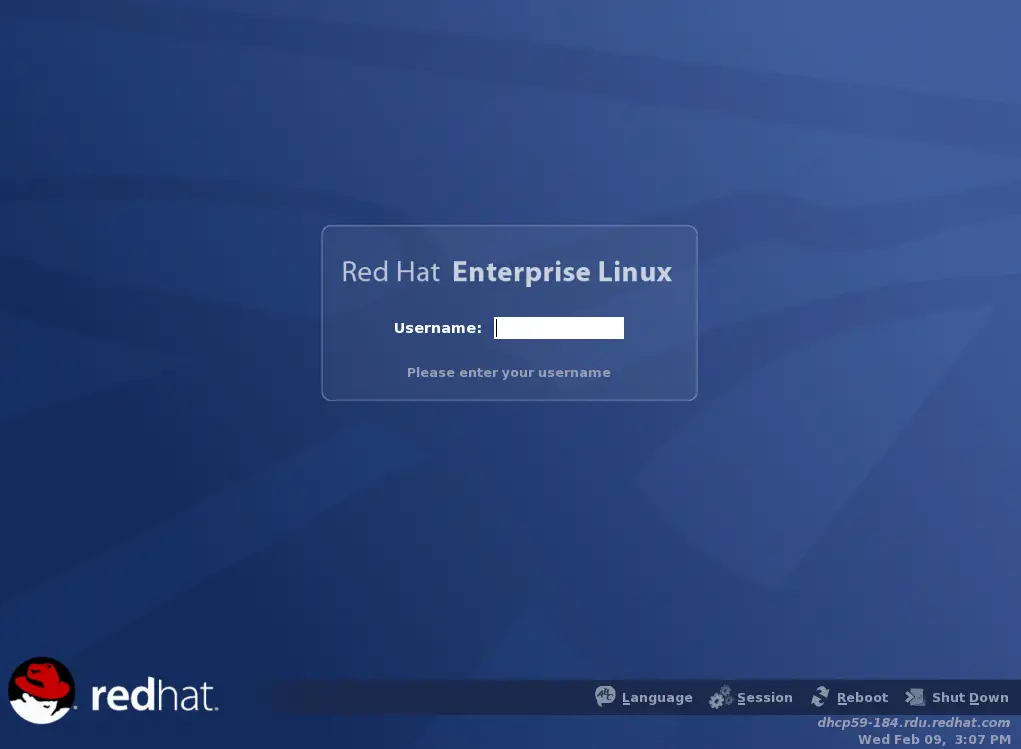
Red Hat Enterprise Linux Step by Step Guide Logging In
![How to Create Multiple Users in Linux? [2 Methods] LinuxSimply](https://linuxsimply.com/wp-content/uploads/2023/03/create-multiple-users-in-linux-1.png)
How to Create Multiple Users in Linux? [2 Methods] LinuxSimply
![How to Switch Users in Ubuntu & Other Linux [Terminal & GUI]](https://itsfoss.com/content/images/wordpress/2020/08/switch-user-ubuntu.png)
How to Switch Users in Ubuntu & Other Linux [Terminal & GUI]
Here Is A Breakdown Of How Ldap Works For Centralized User Authentication In Linux Environments:
Users Can Easily Switch Between User Accounts To Access Different Privileges Or To Run Different Commands As A Different User By Su, Sudo, Or Ssh Commands.
In Its Simplest Form, You Can Change To Another User In This Way:
A Few Things You Should Know Here:
Related Post: