
How To Login As Root In Linux
How To Login As Root In Linux - I set the root password then modified /etc/gdm3/custom.conf [security] allowroot=true this is not giving me the option of the root at. In linux there is a special account called root. However, no key is configured by default, so unless you've set one up, that too will not work. Login to remote host as root user using passwordless ssh (for example ssh root@remotehost_ip) a. Thus, root is mysql's root user, not system user. You should see a greeting message and. If you don't set a password for the root account the passwd command. How do we turn on root desktop login? Single user mode will work, assuming your root account has a password. Enter your password as prompted by sudo. However, no key is configured by default, so unless you've set one up, that too will not work. To actually enable root logins, you have to set a password for the root account and then unlock the locked root account. How do we turn on root desktop login? In order to login to remote host as root user using passwordless ssh. If you don't set a password for the root account the passwd command. Steps to change plugin and password: Enter your password as prompted by sudo. You should see a greeting message and. This is normally not a good idea however and you should consider very. Then e to edit grub stanza and change linux. Single user mode will work, assuming your root account has a password. If you don't set a password for the root account the passwd command. When you see the list of options like dpkg etc, choose to start a root shell and type: In order to login to remote host as root user using passwordless ssh. By default it is. When you see the list of options like dpkg etc, choose to start a root shell and type: I set the root password then modified /etc/gdm3/custom.conf [security] allowroot=true this is not giving me the option of the root at. Cursor to kernel you want. Login to remote host as root user using passwordless ssh (for example ssh root@remotehost_ip) a. Single. How do we turn on root desktop login? This is normally not a good idea however and you should consider very. Steps to change plugin and password: In linux there is a special account called root. Thus, root is mysql's root user, not system user. Thus, root is mysql's root user, not system user. Single user mode will work, assuming your root account has a password. However, no key is configured by default, so unless you've set one up, that too will not work. The graphical terminal will start. To actually enable root logins, you have to set a password for the root account and. The graphical terminal will start. Enter your password as prompted by sudo. How do we turn on root desktop login? This is normally not a good idea however and you should consider very. In order to login to remote host as root user using passwordless ssh. Cursor to kernel you want. In linux there is a special account called root. Single user mode will work, assuming your root account has a password. If you don't set a password for the root account the passwd command. Enter your password as prompted by sudo. Cursor to kernel you want. Enter your password as prompted by sudo. However, no key is configured by default, so unless you've set one up, that too will not work. Steps to change plugin and password: I set the root password then modified /etc/gdm3/custom.conf [security] allowroot=true this is not giving me the option of the root at. You should see a greeting message and. Login to remote host as root user using passwordless ssh (for example ssh root@remotehost_ip) a. However, no key is configured by default, so unless you've set one up, that too will not work. To actually enable root logins, you have to set a password for the root account and then unlock the locked. In linux there is a special account called root. The graphical terminal will start. To actually enable root logins, you have to set a password for the root account and then unlock the locked root account. In order to login to remote host as root user using passwordless ssh. How do we turn on root desktop login? Single user mode will work, assuming your root account has a password. Then e to edit grub stanza and change linux. How do we turn on root desktop login? If you don't set a password for the root account the passwd command. This is normally not a good idea however and you should consider very. If you don't set a password for the root account the passwd command. When you see the list of options like dpkg etc, choose to start a root shell and type: Then e to edit grub stanza and change linux. The graphical terminal will start. You should see a greeting message and. Steps to change plugin and password: Cursor to kernel you want. How do we turn on root desktop login? In linux there is a special account called root. I set the root password then modified /etc/gdm3/custom.conf [security] allowroot=true this is not giving me the option of the root at. By default it is locked in ubuntu but you can enable the root account. In order to login to remote host as root user using passwordless ssh. Thus, root is mysql's root user, not system user. However, no key is configured by default, so unless you've set one up, that too will not work. To actually enable root logins, you have to set a password for the root account and then unlock the locked root account.
How to enable root login in linux ubuntu 18.04 YouTube

Login linux as root users » Posetke

4 Ways to Root in Linux wikiHow
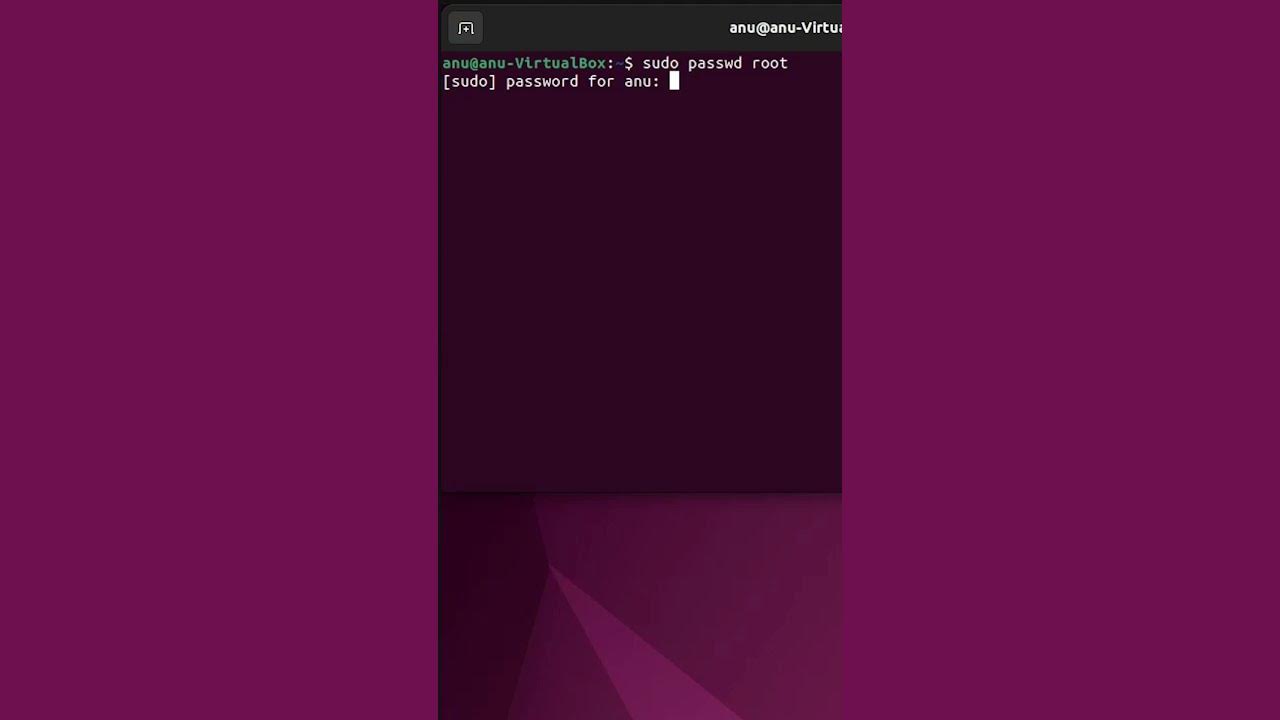
How to login as root in Linux Ubuntu YouTube

How to Enable SSH Root Login on Ubuntu Linux Tutorials for Beginners

4 formas de ingresar como usuario root en Linux wikiHow
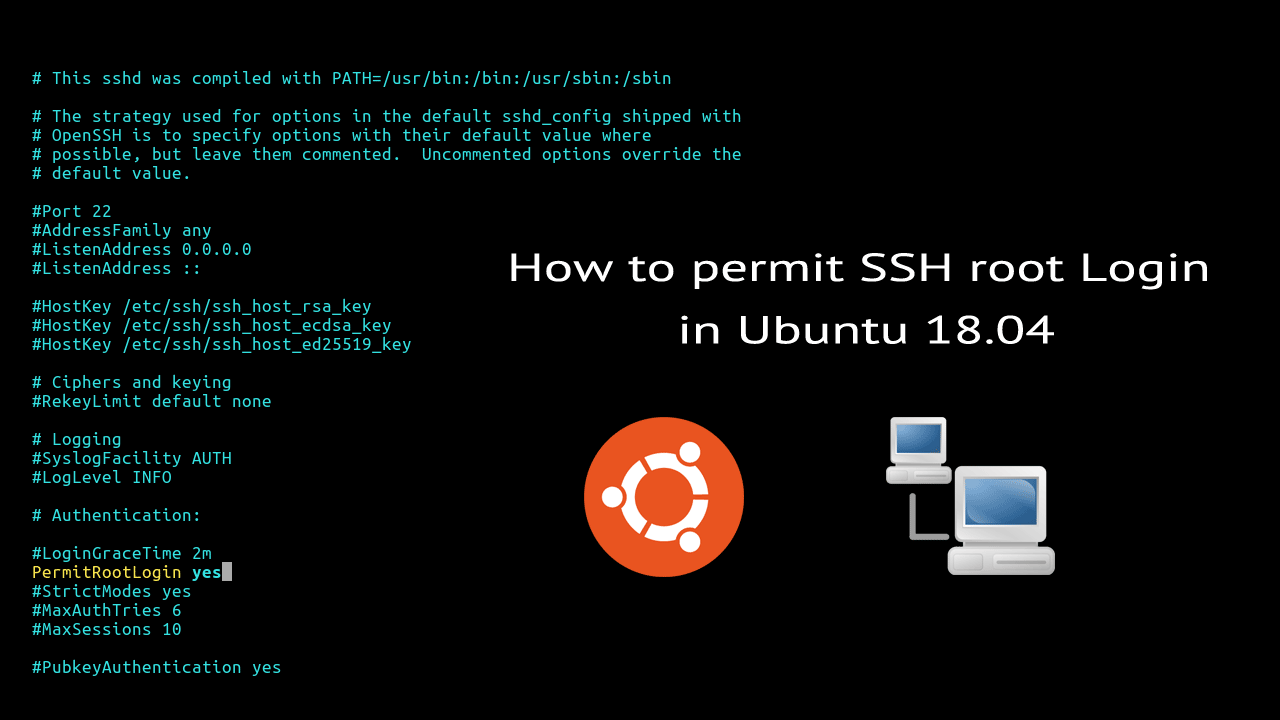
Enable Root Login via SSH in Ubuntu 20.04 Master Hitechnology

How To Get root Access && Login into root Account in Ubuntu YouTube

How To Login As Root User In Linux? LinuxTect

How to Root in Linux A Complete Tutorial
Single User Mode Will Work, Assuming Your Root Account Has A Password.
This Is Normally Not A Good Idea However And You Should Consider Very.
Enter Your Password As Prompted By Sudo.
Login To Remote Host As Root User Using Passwordless Ssh (For Example Ssh Root@Remotehost_Ip) A.
Related Post: